Kambi Highlights Trading Innovations for the Expanded 2026 FIFA World Cup
Written by Drew Lorenz · Jun 9, 2026
Kambi Highlights Trading Innovations for the Expanded 2026 FIFA World Cup
Kambi released detailed insights drawn from an interview with Head of Trading Ryan Hughes that focus on preparations for the 2026 FIFA World Cup, an event that will feature 48 teams competing across 39 days; the publication outlines specific operational shifts expected to shape pre-match and live betting markets during the tournament.
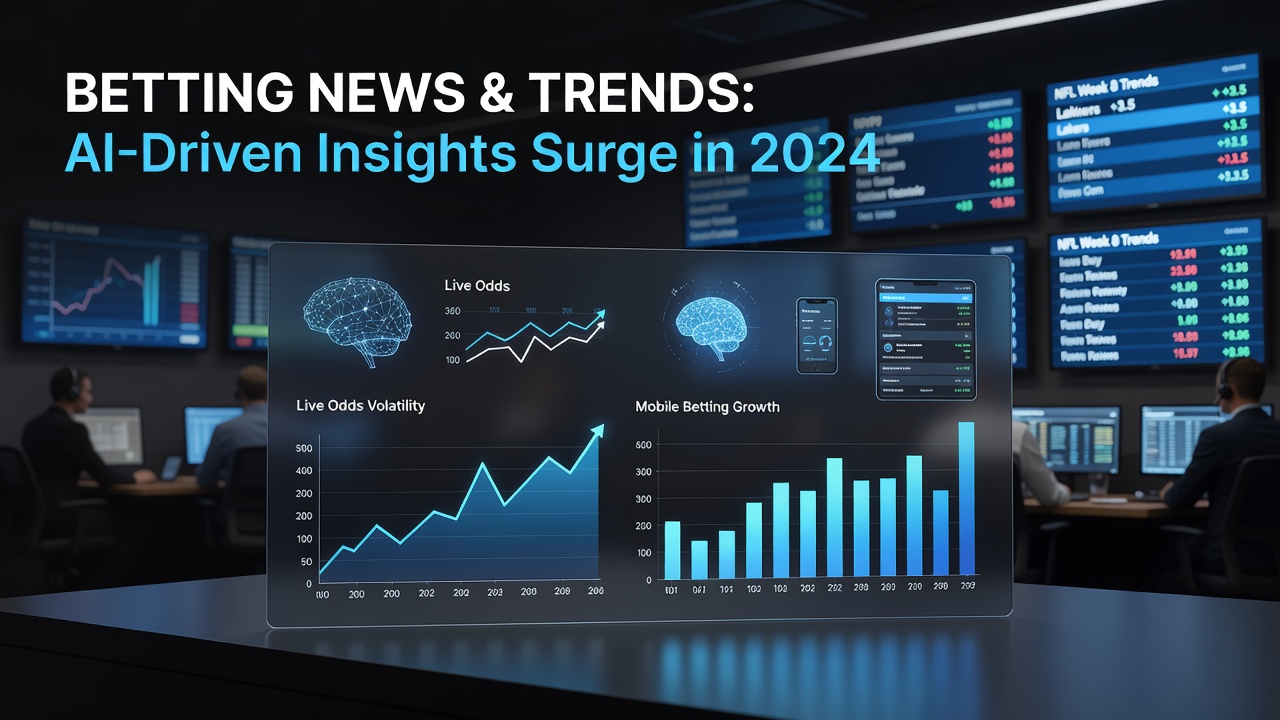
Those who have reviewed the material note that the company plans a complete integration of AI-powered trading systems designed to handle broader pre-match and live betting options while supporting combinability across selections, a move that aligns with the scale of an expanded competition format.
AI Integration in Trading Operations
The interview details how AI tools will process larger volumes of data in real time, allowing trading teams to adjust odds across multiple markets simultaneously without manual intervention at every step, and this approach extends to both pre-match lines and in-play updates that operators can combine into single wagers. Observers familiar with similar technology deployments point out that such systems reduce latency in live environments, particularly when matches unfold over extended group-stage schedules where results can shift rapidly.
Data from previous major tournaments shows that live betting accounts for an increasing share of handle, and Kambi's rollout aims to meet that demand through automated adjustments that maintain consistency across combined bets involving multiple matches or player-specific outcomes. The 39-day duration of the event creates sustained periods of activity that benefit from continuous algorithmic oversight rather than periodic human reviews alone.
Data-Driven Player Props and Bet Builder Growth
Hughes discussed the rising role of granular data in shaping player props and Bet Builder features, with emphasis on their performance during international fixtures and group-stage encounters that often feature uneven competition levels. These tools allow bettors to construct custom selections based on individual statistics, such as shots, passes, or defensive actions, drawn from expanded tracking datasets that have become standard in top-level soccer.
Patterns observed in earlier global events indicate stronger engagement with these features when matches involve teams from varied competitive backgrounds, where traditional match-winner markets may draw less attention compared to prop-based alternatives. The interview highlights how operators can leverage this data to refine offerings specifically for the group phase, where several fixtures may conclude with predictable margins yet still generate interest through layered player statistics.
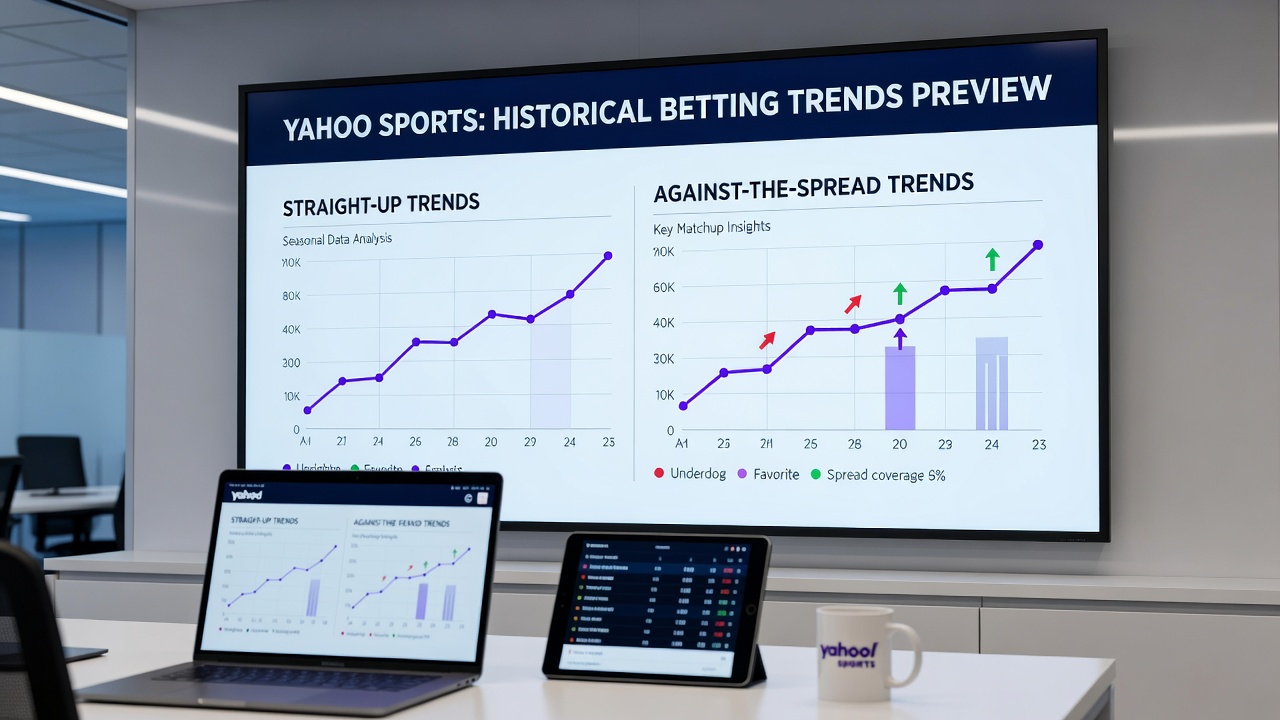
Industry reports from organizations such as the European Gaming and Betting Association confirm that Bet Builder selections have grown steadily in international competitions, driven by improved data feeds that enable real-time updates and combinability without compromising risk management protocols.
Strategic Opportunities for Operators
The published insights frame the 2026 tournament as a pivotal moment for betting operators to expand their market presence through enhanced trading capabilities and tailored product features. Hughes noted that the combination of AI-supported trading and data-enriched player props positions companies to handle increased volume while maintaining competitive margins across pre-match and live segments.
Those monitoring the sector note that events of this magnitude create concentrated windows of activity, and the 48-team structure extends the number of participating nations, which in turn broadens the range of markets that can be offered with localized appeal. The interview suggests that operators who align their platforms with these trends stand to capture greater share during both the group stages and knockout rounds, where combinability features can link outcomes across different time zones and match schedules.
Further details in the Kambi release cover how data analytics will support risk distribution in uncompetitive group matches, allowing trading teams to focus resources on higher-variance knockout fixtures while automated systems manage volume in earlier rounds. This division of labor becomes relevant given the 39-day span, which includes rest periods and simultaneous match days that test operational capacity.
Context Around the 2026 Tournament Timeline
As preparations advance into June 2026, the tournament timeline places the opening matches in mid-June, with the final scheduled for mid-July, creating a compressed yet extended calendar that demands trading infrastructure capable of sustained performance. The insights from Hughes emphasize readiness across this period, particularly for markets that combine elements from multiple games played on the same day.
Additional context provided in the interview addresses how player prop popularity has correlated with access to detailed performance metrics in prior World Cups, a trend expected to intensify with the larger field and the availability of advanced tracking in all venues. Operators are positioned to respond by expanding Bet Builder interfaces that incorporate these data points directly into wager construction tools.
Conclusion
The Kambi publication distills key operational directions for the 2026 FIFA World Cup into a focused set of priorities around AI trading rollout, data utilization for props and Bet Builders, and market expansion opportunities. The interview with Ryan Hughes supplies concrete examples of how these elements interconnect during an event that spans 48 teams and 39 days, offering operators a reference point for technology and product planning in the lead-up to the competition. Further details appear in the original release available on the company's site.