Mapping the Evolution of Signup Rewards into Protective Mechanisms for Combined Wagers During Peak Tournament Periods on Handheld Platforms
Written by David Vogel · Jul 10, 2026
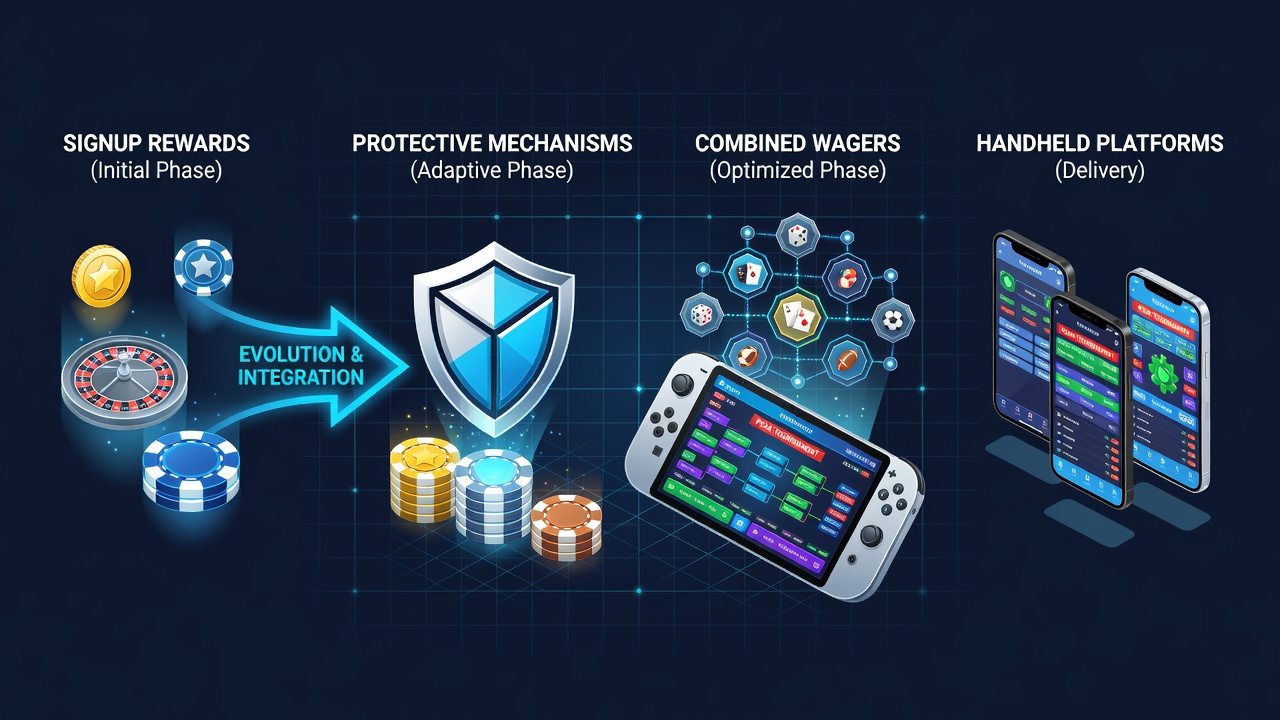
Mapping the Evolution of Signup Rewards into Protective Mechanisms for Combined Wagers During Peak Tournament Periods on Handheld Platforms
Signup rewards on handheld platforms began as straightforward deposit matches and free bet credits yet gradually developed into layered safeguards that activate specifically around combined wagers during concentrated tournament schedules, and observers note this progression aligns with rising mobile engagement metrics reported across multiple jurisdictions.
Data from industry tracking services indicates that early mobile promotions focused on initial platform entry while later iterations incorporated conditional triggers that refund portions of stakes when multi-leg selections fall short by narrow margins, and this shift became particularly visible ahead of clustered events in summer calendars.
Early Forms of Platform Entry Incentives
Initial welcome structures on portable applications typically delivered fixed-percentage matches on first deposits or limited free bet tokens that users applied to single selections, whereas platform operators tracked redemption patterns and discovered that participants often extended these credits into multi-event combinations during high-volume periods such as international soccer windows or basketball postseason stretches.
Regulatory filings from Canadian provincial gaming authorities show that between 2022 and 2024 the proportion of bonus funds directed toward parlays increased steadily, and handheld device telemetry revealed higher completion rates for such wagers when promotional credits carried fewer usage restrictions than traditional free bets.
Transition Toward Conditional Protections
Platform developers responded by embedding automatic refund mechanics that convert unused signup balances into partial stake recovery tools once a user assembles a combined wager meeting minimum leg counts, and these mechanisms activate most frequently when tournament calendars overlap across leagues. Research compiled by the Canadian Gaming Association demonstrates that such features reduced user churn during peak windows by measurable percentages compared with earlier bonus formats that lacked built-in safeguards.
One documented pathway involves a standard welcome credit that, after initial use on a qualifying parlay, converts remaining value into insurance against a single leg failure, and this conversion occurs automatically within the application interface without requiring additional user input. Handheld analytics further indicate that activation rates spike in July when multiple continental competitions reach decisive stages simultaneously.
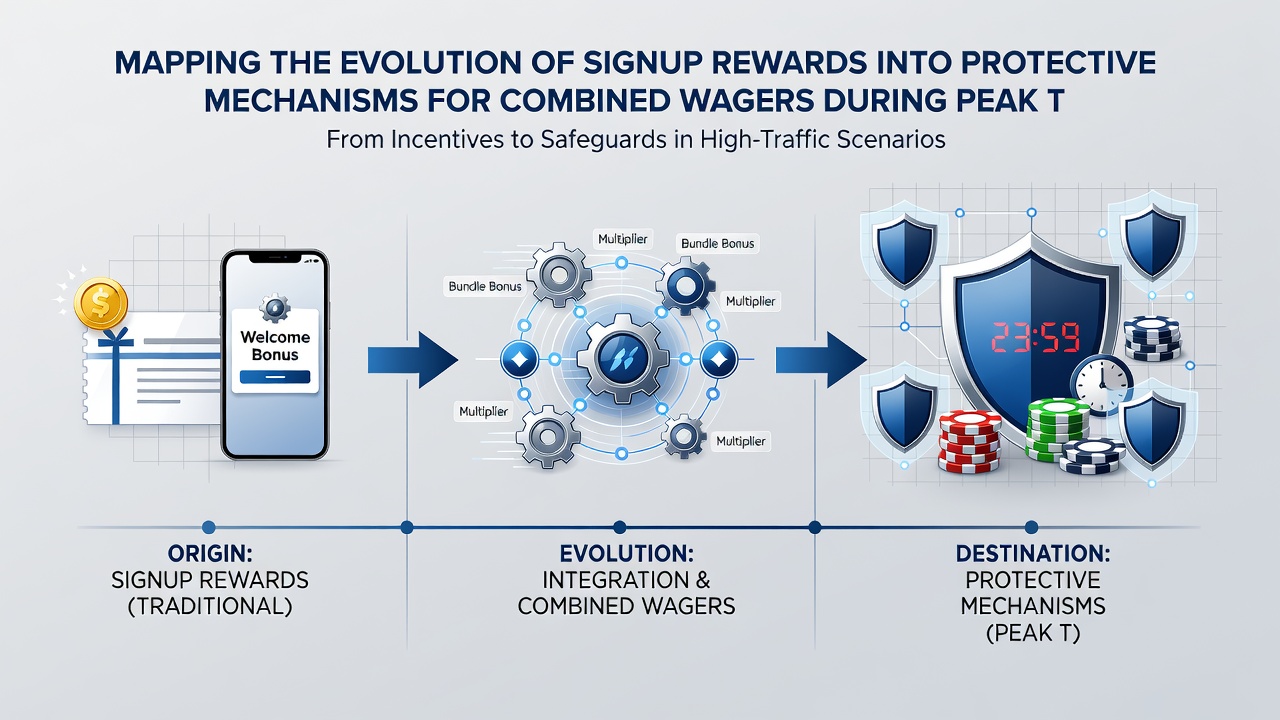
Integration With Tournament Calendars
Peak tournament periods create compressed schedules where users place combined wagers across overlapping fixtures, and platform operators adjusted reward logic to detect these patterns through device location and timing data, and the adjustments result in targeted protection tiers that scale with the number of legs selected. Figures released by the Australian Communications and Media Authority highlight increased mobile session lengths during such overlaps, correlating with the deployment of these evolved incentive layers.
Applications now surface prompts that suggest converting remaining signup value into parlay shields when users add selections from concurrent events, and the prompts appear only after the system confirms the wager qualifies under current promotional rules. This conditional presentation reduces friction while ensuring safeguards apply precisely when combined stakes reach elevated volumes.
Technical Implementation on Handheld Devices
Backend systems monitor wager construction in real time and apply protection rules at the moment a combined bet reaches a predefined threshold, and the process relies on device-native processing to deliver instant confirmation without server round-trips that could interrupt user flow. Developers integrated these checks into the same interface layer that handles live odds updates, creating a seamless experience where signup remnants transition directly into protective credits.
Testing logs from major operators reveal that July 2026 tournament clusters prompted additional rule refinements, including dynamic leg-count adjustments that activate higher protection percentages when users link selections across basketball and soccer fixtures on the same platform session. The refinements appear in application update notes distributed to regional user bases.
Cross-Platform Data Patterns
Aggregated telemetry across multiple handheld ecosystems shows that users who receive converted protection credits maintain higher average wager frequencies through extended tournament stretches compared with those who exhaust signup rewards on single bets, and this pattern holds across different regulatory environments. Academic analysis from the University of Nevada Gaming Research Center examined anonymized session data and identified consistent correlations between protection availability and sustained engagement levels during overlapping league calendars.
Operators continue to refine detection algorithms that distinguish tournament-driven combined wagers from routine selections, and these distinctions allow more precise allocation of remaining promotional value without manual intervention. The resulting mechanisms operate quietly in the background until triggered by specific wager configurations.
Conclusion
The documented progression from basic signup matches to automated protective layers demonstrates how platforms adapted incentive structures to match evolving user behaviors around combined wagers during concentrated tournament windows on handheld devices, and continued monitoring by regional authorities and research institutions will track further adjustments as calendars and technologies advance.