North Carolina Budget Authorizes Prediction Markets Under New Tax Structure
Written by Drew Lorenz · Jul 21, 2026

North Carolina Budget Authorizes Prediction Markets Under New Tax Structure
North Carolina lawmakers have embedded provisions in the state's new budget that authorize prediction market betting platforms such as Polymarket and Kalshi while applying a 6 percent tax on net revenues from these operations, and this measure arrives after years of sports betting legalization that began in 2024.
The framework establishes regulatory clarity for platforms that permit wagers on diverse events including elections, weather outcomes, and economic indicators rather than limiting activity to sports contests alone, whereas the tax rate sits below the levels applied to traditional sports betting operators in the state.
Legislative Details and Effective Timeline
Provisions within the budget package outline the authorization process and tax collection mechanisms that take shape ahead of July 2026 implementation dates, and state officials expect the structure to generate fresh revenue streams without requiring separate legislative action beyond the current budget cycle.
Prediction market operators gain permission to offer contracts on a broad spectrum of occurrences provided they meet state registration and compliance standards, while the 6 percent levy applies specifically to net revenues after payouts rather than gross handle figures.
Revenue Projections and Comparison to Sports Betting
Budget analysts project that the new tax category will produce measurable income for state coffers once platforms scale operations under the authorized model, and the lower rate relative to sports betting reflects legislative choices aimed at encouraging market entry while still capturing fiscal returns.
Sports betting has operated in North Carolina since 2024 with its own tax schedule that exceeds the 6 percent figure applied here, yet prediction markets introduce different risk profiles and event types that lawmakers addressed through this distinct category.
Debate Over Institutional Impacts
Observers note that the expansion prompts discussion regarding potential effects on public institutions including the University of North Carolina and North Carolina State University, where athletic programs and related activities intersect with broader betting ecosystems, and some stakeholders raise questions about how expanded prediction markets might influence campus environments or funding dynamics.
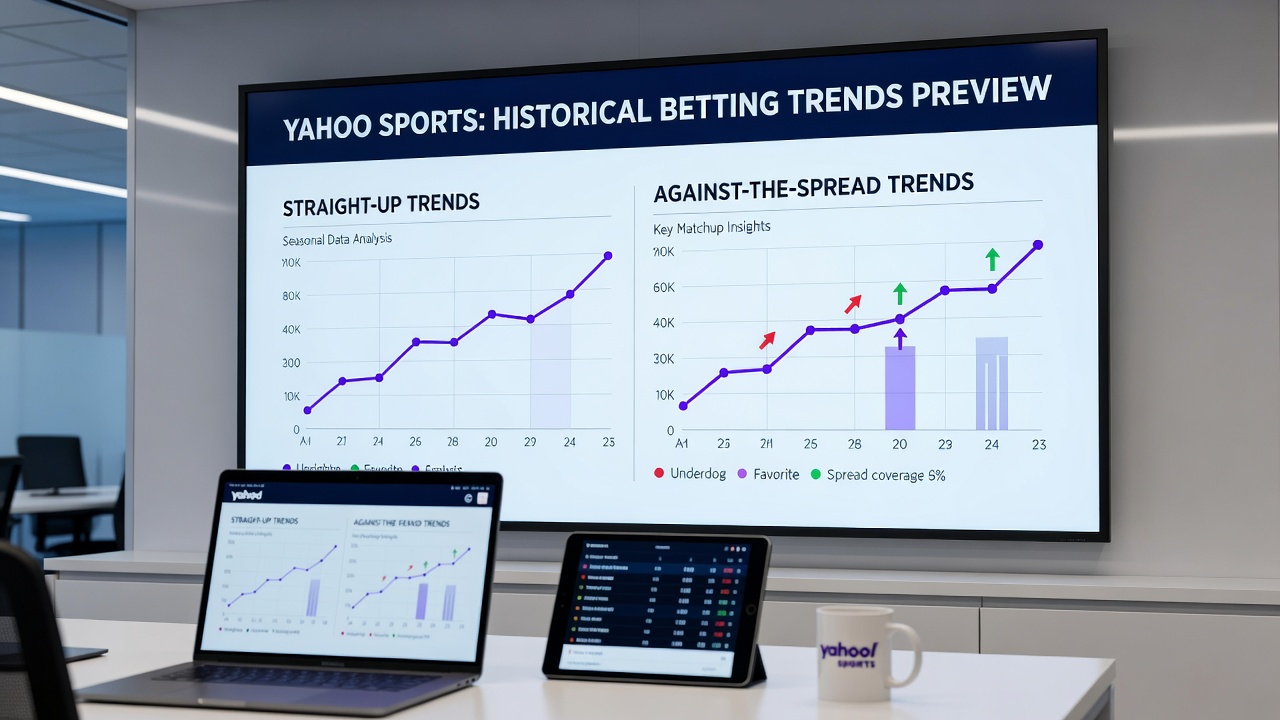
Data from the initial years of sports betting legalization shows steady growth in wagering volume across the state, which provides context for projections around prediction market adoption, although specific figures for the new platforms remain pending until operations commence under the July 2026 timeline.
Regulatory Context and Platform Requirements
Platforms must navigate state-level registration procedures that align with existing gaming oversight structures, and the budget language specifies reporting obligations tied to revenue calculations that support the 6 percent tax collection process. According to North Carolina General Assembly records, the provisions integrate directly into the overall budget document without creating standalone regulatory bodies at this stage.
Operators such as Polymarket and Kalshi receive the same foundational authorization, although individual business models may require further adjustments to satisfy net revenue definitions outlined in the legislation, and this approach mirrors patterns seen in other states that have layered prediction market rules onto existing sports betting frameworks.
Connection to Broader Sports Betting Landscape
Since 2024, North Carolina has developed its sports betting market through licensed operators and tax mechanisms that continue to evolve, and the inclusion of prediction markets represents an incremental expansion rather than a complete overhaul of the state's approach to event-based wagering.
Revenue from the new tax category joins existing streams generated by sports betting activities, which creates a diversified fiscal base according to budget documents, while the lower rate structure may influence how quickly prediction platforms establish market presence compared with sports-focused competitors.
Conclusion
The budget provisions establish a clear pathway for prediction market authorization paired with taxation that begins under the July 2026 framework, and this development builds directly on the sports betting foundation laid since 2024. State revenue expectations rest on platform compliance and market growth, while institutional stakeholders continue to assess secondary effects at places like UNC and NC State. The 6 percent rate distinguishes this category from sports betting taxes, and the overall structure integrates into existing budget processes without additional standalone legislation at present.