Patterns of Incentive Linkages Between Professional Gridiron Schedules and European Pitch Competitions on Handheld Platforms
Written by Ben Klein · Jun 26, 2026

Patterns of Incentive Linkages Between Professional Gridiron Schedules and European Pitch Competitions on Handheld Platforms
Professional gridiron schedules in the United States align with major European pitch competitions through structured incentive programs that appear across handheld betting platforms, where operators connect activations from one sport to rewards in the other. Data from industry tracking services show these linkages often follow seasonal calendars, with gridiron regular season periods overlapping European league campaigns and cup events, which creates opportunities for cross-promotional mechanics that users activate via mobile devices.
Seasonal Overlaps and Schedule Alignments
Gridiron seasons typically run from September through February, while European soccer calendars stretch from August to May with additional tournaments extending into June, and this temporal intersection allows platforms to synchronize bonus triggers and redemption windows. Observers note that during periods when both leagues operate simultaneously, apps often route initial gridiron wager incentives toward soccer event protections or accumulators that activate on the same interface. Research from the American Gaming Association indicates such patterns increased in frequency as more states expanded mobile access, with operators adjusting activation codes to bridge the two calendars without requiring separate logins or additional deposits.
June 2026 stands out because the expanded FIFA World Cup schedule intersects with lingering gridiron off-season promotions that carry forward from prior months, and this creates extended redemption periods where users who engaged with late-season football incentives can apply accumulated value to international soccer fixtures. Platforms adjust these flows to maintain continuous engagement, linking completed gridiron parlay outcomes directly to soccer live betting credits that appear in the same mobile wallet.
Cross-Sport Activation Mechanics
Handheld platforms employ activation triggers that convert gridiron performance milestones into soccer-specific rewards, such as boosted odds or protected accumulators that users unlock after meeting minimum stake thresholds on American football markets. These mechanics operate through shared user profiles, where data from one league's events feeds eligibility for the other, and operators publish the exact linkage rules within app terms that update weekly during overlapping seasons. Figures from regulatory filings in multiple jurisdictions reveal that such systems reduce user friction by presenting unified dashboards, allowing seamless transitions between gridiron schedules and European pitch events without platform switches.
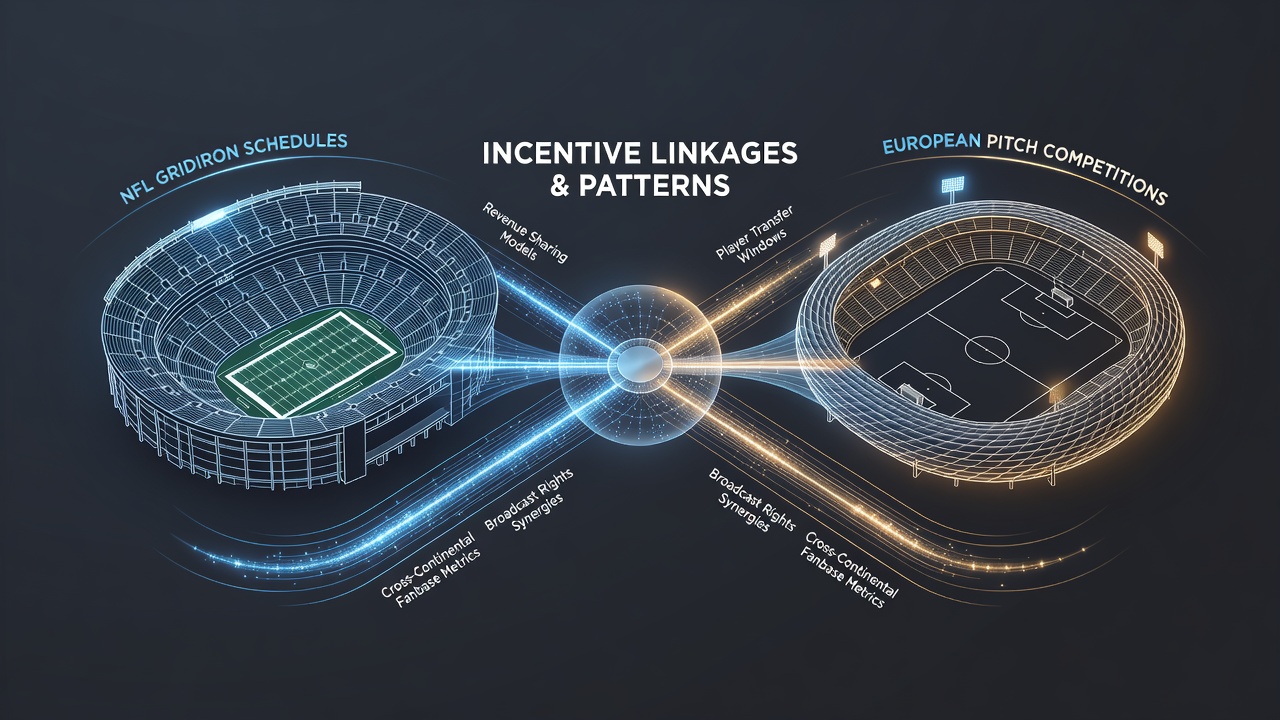
One documented pattern involves tiered reward ladders where gridiron game completions advance users toward soccer bonus eligibility, and this structure appears consistently across multiple operators that serve both North American and international markets. Those who have examined app analytics note that activation rates climb when the linkage requires only a single additional selection rather than a full new deposit, which aligns with observed user behavior during high-volume weekends that feature simultaneous NFL and Premier League fixtures.
Data Patterns Across Jurisdictions
Regulatory reports compiled by the Nevada Gaming Control Board alongside data from the Australian Gambling Research Centre demonstrate that incentive linkages generate measurable shifts in cross-sport participation, with mobile sessions showing increased duration when users follow paths from gridiron to soccer markets. These patterns hold across different regulatory environments, where operators must disclose linkage mechanics yet retain flexibility in how they sequence the rewards. Studies published by university research groups tracking digital gambling behaviors confirm that such bridges appear more frequently in markets with mature mobile infrastructure, where device-level notifications reinforce the connections between the two competition calendars.
Additional evidence from the European Gaming and Betting Association highlights that platforms serving EU users often mirror these same linkage structures, adapting them to local soccer calendars while incorporating gridiron content during peak American seasons. The consistency across regions suggests standardized backend systems that operators deploy globally, with minor regional adjustments to comply with varying disclosure requirements.
Platform Implementation Trends
Implementation follows predictable sequences where gridiron schedule releases prompt operators to preload soccer incentive pathways, and this preparation occurs months in advance based on known fixture lists. Users encounter these options through in-app banners and push notifications that reference both sports, creating a unified promotional ecosystem rather than isolated campaigns. Those monitoring app updates have documented how code structures allow cumulative benefits, where value earned on gridiron selections carries forward to soccer events without expiration until the end of the linked promotion window.
Operators refine these systems continuously, responding to engagement metrics that show higher retention when linkages span multiple competition types, and this iterative approach appears in quarterly updates released by major platform providers. The result is a network of interconnected incentives that track alongside both gridiron and European pitch schedules throughout the year.
Conclusion
Patterns of incentive linkages between professional gridiron schedules and European pitch competitions continue to evolve on handheld platforms through synchronized calendars, shared activation systems, and cross-sport reward mechanics that maintain consistent structures across jurisdictions. Data from regulatory bodies and research institutions document these flows without indicating future directions, focusing instead on observable implementation methods that connect the two competition types for platform users.